Electrical · DUBLIN HOMES
Electricity Keeps Tripping? A Dublin Homeowner’s Guide
Repeated tripping needs investigation, not repeated resets. A protective device operating can indicate a problem with an appliance or the installation, but it does not identify the cause on its own. Keep away from damaged equipment and arrange an assessment with a Registered Electrical Contractor.
Deal with immediate danger first
If there is smoke, fire, visible sparking or an immediate threat to people, move away and contact the emergency services. Do not wait for a website enquiry to be answered. Do not touch equipment that is damaged, wet or appears to be overheating.
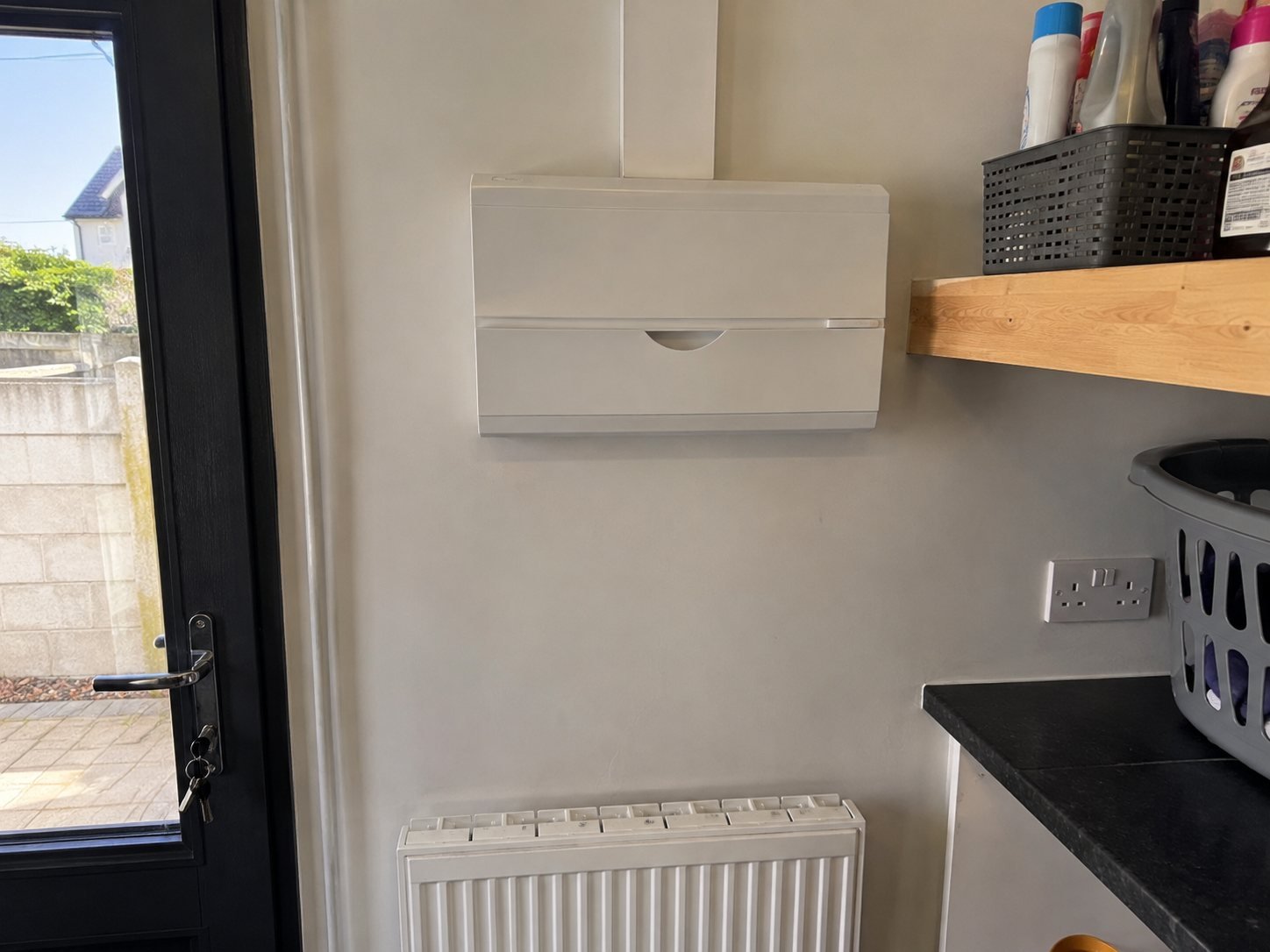
Do not open the consumer unit, remove socket covers, interfere with the meter or attempt wiring repairs. Never bypass a protective device or hold it in position. This guide does not provide a reset or fault-testing procedure.
Distinguish a possible outage from an internal fault
ESB Networks provides PowerCheck and outage reporting for network interruptions. Check its current outage information when the supply goes off, particularly if neighbouring properties are affected.
A network outage and an internal electrical fault require different responses. If the published information does not explain the situation, use the appropriate ESB Networks support route for a supply issue or contact a registered contractor about the installation inside your home.
Record what happened without recreating the fault
Write down the approximate time, which rooms lost power and what was in ordinary use immediately beforehand. Mention whether the issue is new, repeated or followed other work.
Do not deliberately switch equipment on again to reproduce the problem. If a photograph is useful, take it only from a normal safe position without touching or removing anything. The contractor can decide which further checks are necessary.
Why a trip does not provide a diagnosis
Safe Electric explains that protective devices can operate in response to different electrical problems, and persistent tripping should be assessed by a registered contractor. The visible symptom alone cannot establish that one appliance, one circuit or the whole installation needs replacing.
Give the contractor observations rather than a diagnosis from social media. If a particular appliance has been implicated, ask who should inspect it and whether it should remain out of use until assessed.
Arrange the visit and clarify the next step
When making contact, say that the enquiry concerns a fault rather than planned improvements. Describe any immediate safety concerns and whether the property currently has power. Ask about availability and the basis for an assessment charge before booking.
An investigation may need to happen before a repair can be priced. Ask for the findings, recommended action and any further cost to be explained before proceeding. NU Home Services website enquiries do not represent a guaranteed emergency response.
Common questions about tripping
Does tripping always mean a full rewire? No. The cause must be assessed before deciding the remedy.
Should I keep resetting it? Repeated resets are not a substitute for investigation. Leave the issue for a qualified contractor.
What should I send with an enquiry? Your Dublin area, a short description, when the fault started and safe observations about the affected rooms.
Sources & further reading
External information checked on 23 September 2026. Confirm current requirements with the relevant organisation before booking work.
YOUR NEXT STEP
Request a quote for your project
Tell us your Dublin location, what you would like to change and your preferred timeframe. Photos can help us understand the scope.
Request a QuotePrefer email? info@nuhomesvc.com